
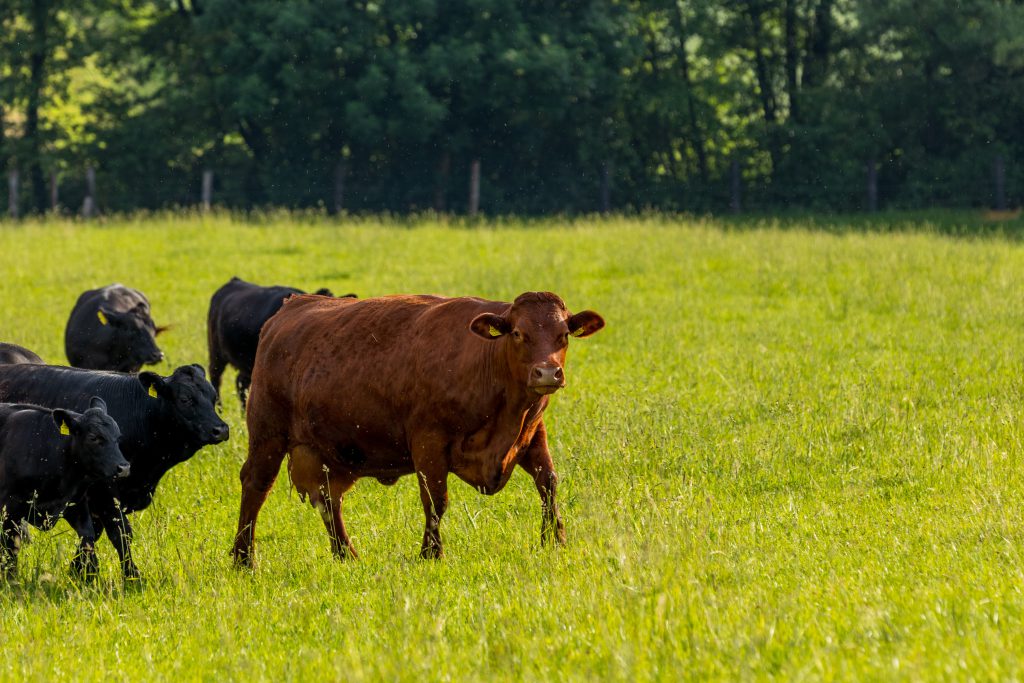
When a cow goes down in the pasture, grief and logistics arrive at the same time. For a working ranch, the loss of an animal is both a hard moment and an operational problem that has to be solved quickly — especially in the Florida heat. This guide is written for cattle ranchers, dairy operators, and small-farm owners across Ocala, Marion County, and North Central Florida by a family-operated team that works these properties every week.
Below, we walk you through the first steps to take when you lose cattle, what Florida law requires, your disposal options, and how to handle the situation quickly, legally, and with respect for your operation.
If You Need Help Right Now
If you have lost an animal and need prompt removal, call VPF Equine Removal & Cremation at (352) 454-6300. We provide fast cattle and livestock removal across Ocala, Gainesville, The Villages, and surrounding North Central Florida communities, and we are equipped to handle animals of any size.
The First Steps After Losing Cattle
Whether the loss is sudden or expected, having a clear sequence to follow makes the next few hours easier to manage.
1. Secure the area and protect the rest of the herd.
Move other animals away from the carcass if you can, and restrict access for working dogs, wildlife, and people. If the cause of death is unknown — particularly with sudden or multiple losses — keeping the herd separated helps limit any potential disease risk until you understand what happened.
2. Consider whether you need your veterinarian.
If the death was sudden, involved more than one animal, or the cause is unclear, call your large-animal veterinarian before disposal. They can determine whether a necropsy is warranted, which matters for herd health, for any livestock insurance claim, and for ruling out reportable disease.
3. Call a professional removal service promptly.
In Florida’s climate, that call should be made as soon as practical — ideally within hours. A reputable livestock removal company will give you a clear arrival window, upfront pricing, and the proper equipment to handle large cattle safely. Contact VPF any time and we will coordinate the next available pickup.
4. Note the details you will need.
If the animal was insured or part of a registered herd, record ear-tag or registration numbers, take a few photographs, and note the date and suspected cause before the animal is moved.
Florida’s Timeline: Why Speed Matters Here
Florida’s heat and humidity compress the disposal window in a way that ranchers from cooler regions sometimes underestimate. Decomposition begins quickly, and a carcass left in the open attracts scavengers, flies, and the risk of contaminating nearby surface water — all of which create both a herd-health concern and a code issue.
Florida law expects deceased livestock to be disposed of promptly. As a practical rule, aim to have the animal handled within roughly 24 to 48 hours, and faster in peak summer. Hurricane season adds another layer: if a storm is approaching and an animal has died on your property, it should be addressed before the weather arrives, not after. For more on storm readiness, see our guide on preparing your farm for Florida hurricane season.
Your Cattle Disposal Options in Florida
Florida ranchers generally have several lawful ways to handle a deceased animal. The right choice depends on your property, your timeline, and local conditions.
Removal and Disposal
Professional removal is the fastest and most common option for working cattle operations. A removal service arrives with the equipment to load and transport large animals, then handles disposal through an approved route — sparing you the labor, equipment, and compliance questions. This is usually the simplest path for ranches that need the situation resolved quickly. Learn more about our cattle removal services and our broader equine and livestock disposal services.
Cremation
For owners of a valued breeding animal, show stock, or a family milk cow, cremation offers a respectful, fully handled option with the choice of keeping the remains. It is a strong fit when on-site burial is not suitable for the property. Read more about our livestock and cattle cremation services.
On-Site Burial
On many rural Florida properties, on-site burial is permitted provided it is done correctly. Florida guidelines call for the animal to be buried with adequate soil cover and located well away from wells, surface water, and property lines — and large cattle require significant depth and equipment to do this properly. Because soil conditions and the water table vary widely across Central Florida, a site review matters. Our team can help assess whether burial is appropriate for your property; see our on-site burial service for how that process works.
Composting
Some larger agricultural operations use carcass composting as a managed, on-farm disposal method. It can be effective but requires the right materials, siting, and management to avoid odor, runoff, and wildlife problems. UF/IFAS Extension offers guidance for ranchers who want to explore it, and we are happy to talk through whether it fits your operation.
Florida Legal Considerations for Livestock Disposal
Florida gives ranchers reasonable flexibility, but disposal is regulated, and doing it improperly can create environmental liability and county-code violations. The key framework sits in Florida Statute 823.041 and Rule 62-701.520, Florida Administrative Code, which together govern how deceased domestic animals must be handled. In broad strokes, owners should know:
- Carcasses must be disposed of promptly and in a way that does not create a public-health or environmental nuisance.
- On-site burial is allowed in many cases, but depth and setback requirements apply — keep the site well away from wells, surface water, and neighboring property lines, and avoid floodplains and high-water-table areas.
- Burning or incineration is subject to air-quality and local permitting rules and is generally impractical for full-size cattle.
- County and municipal rules can be stricter than the state baseline, so it is always worth confirming local requirements before burying or composting on your land.
- If an animal was euthanized with pentobarbital, those drug residues persist in the remains and pose a secondary-poisoning risk to wildlife — which directly affects how the carcass must be handled.
When in doubt, a quick phone call saves a costly mistake. We help ranchers sort out the right, compliant option every day.
Preparing Your Property for Removal
A few practical notes make pickup day go smoothly:
- Clear equipment access. Our trucks need firm ground and room to maneuver. If the animal is down in a wet pasture, a back pen, or a tight corner, mention it when you call so we bring the right equipment.
- Note the location. On large acreage, a gate name, pasture number, or pin-drop location speeds things up considerably.
- Have your details ready. Ear-tag or registration numbers and any insurance reference information, if applicable.
How VPF Equine Removal & Cremation Can Help
We are a family-operated, agriculture-rooted service based in Ocala, and we work with ranches, dairies, and farms across Marion County and every surrounding community — Gainesville, The Villages, Dunnellon, Belleview, Summerfield, and beyond. We handle cattle and livestock of all sizes, offer removal, cremation, and disposal coordination, and respond promptly because we understand that a loss on a working operation cannot wait.
Pricing is transparent. Response times are fast. When you call, you reach people who know cattle and know Florida.
Call when you need us — day or night.
VPF Equine Removal & Cremation serves cattle operations across Ocala and North Central Florida. We will handle the rest.
Call (352) 454-6300 | Contact Us Online
Frequently Asked Questions
How quickly can you remove a dead cow in Florida?
We prioritize fast response across Ocala, Marion County, and surrounding areas, and in most cases can coordinate same-day or next-day pickup depending on location and availability. In summer, prompt removal is especially important.
Can you handle large or mature cattle and bulls?
Yes. We are equipped to safely handle cattle of all sizes, including mature cows, bulls, and larger animals, using the proper equipment to minimize disruption to your property.
Is it legal to bury a cow on my property in Florida?
In many cases, yes — provided depth, setback, and water-table requirements are met and any local rules are followed. Because large animals and site conditions complicate burial, we recommend a quick site review first. Talk through your options with us.
Do you work with ranches, dairies, and small farms?
Yes. We regularly work with cattle ranches, dairies, and agricultural operations and understand property access, equipment needs, and how to keep disruption to your operation to a minimum.
What should I do if I lose several animals at once?
Separate the rest of the herd, call your veterinarian to rule out reportable disease, and contact us for prompt removal. We can coordinate multiple-animal pickups and help you manage the situation efficiently.
Related Reading
- What to Do When a Horse Dies in Florida: A Compassionate Owner’s Guide
- Florida Hurricane Season and Livestock Loss: How to Prepare Your Farm
- See our frequently asked questions for more on timing, pricing, and service areas.